


- Admin
- Mar 30, 2026
- Online Presence
Complete Guide to Exporting Products from India in 2026
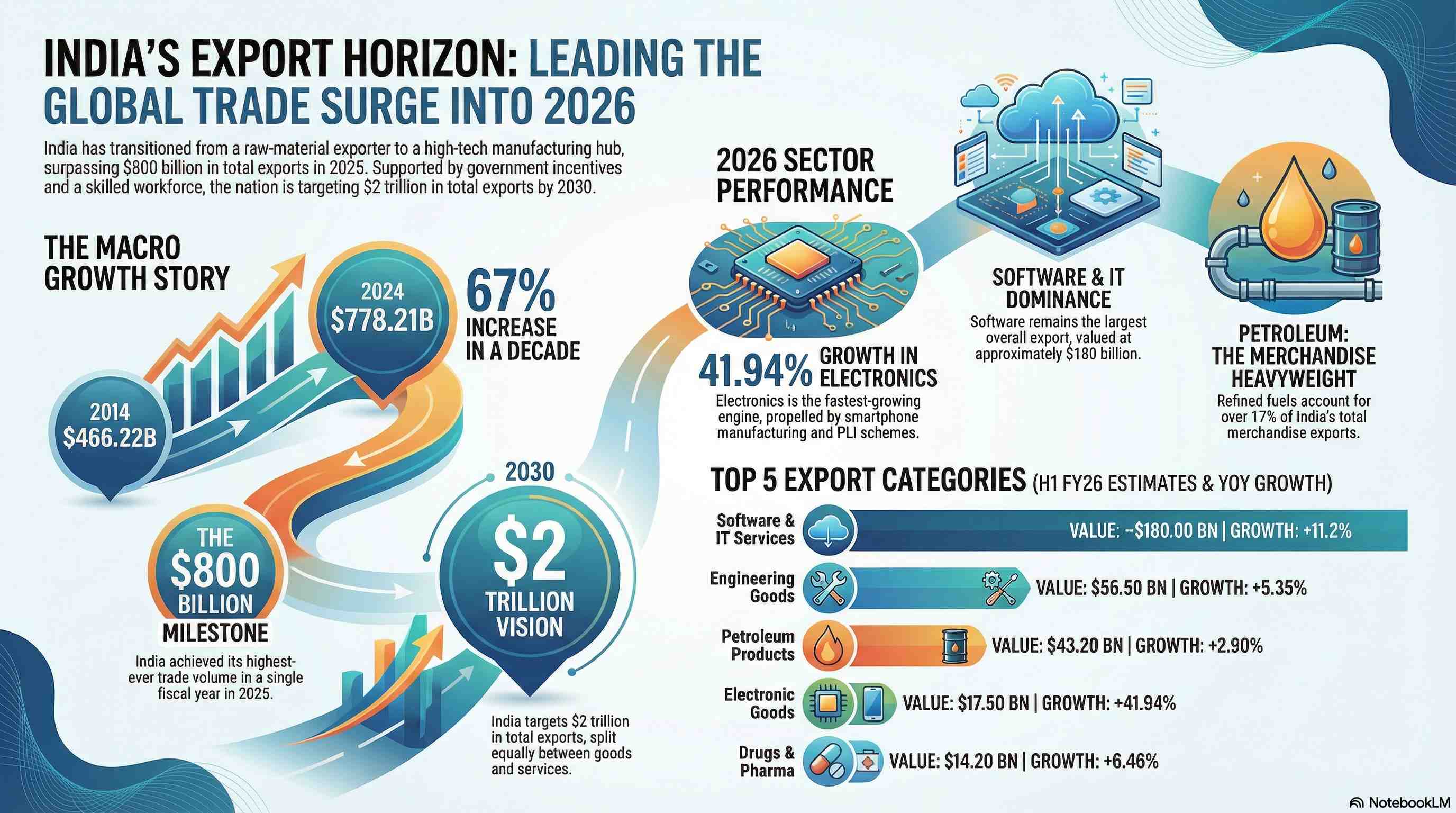
Introduction India is rapidly emerging as a global export hub, offering a diverse range of products to international markets. Whether you're a seasoned exporter or a business looking to expand globally, understanding the export process is crucial. This guide provides a step-by-step breakdown of exporting products from India, along with actionable tips to help you succeed. Why Export from India? India’s strategic location, cost-effective manufacturing, and government incentives make it an ideal export base. Key advantages include: Diverse Product Range: From textiles and handicrafts to pharmaceuticals and engineering goods. Government Support: Schemes like MEIS (Merchandise Exports from India Scheme) and RoDTEP (Remission of Duties and Taxes on Exported Products). Global Demand: Rising demand for Indian goods in the US, EU, Middle East, and Southeast Asia. Step-by-Step Guide to Exporting from India 1. Market Research and Product Selection Identify high-demand products in your target market. Use platforms like Commercial.CV to analyze trends and connect with global buyers. Key considerations: Competitor analysis. Regulatory requirements in the destination country. Pricing and profitability. 2. Obtain Necessary Licenses and Registrations Ensure compliance with Indian export regulations: IEC (Import Export Code): Mandatory for all exporters. GST Registration: Required for tax compliance. Product-Specific Certifications: FSSAI for food, BIS for electronics, etc. 3. Find Buyers and Negotiate Terms Leverage B2B marketplaces like Commercial.CV to connect with verified international buyers. Key steps: Participate in trade fairs and exhibitions. Use digital marketing to showcase your products. Negotiate payment terms (LC, TT, or CAD). 4. Logistics and Shipping Choose the right shipping method based on cost, urgency, and product type: Sea Freight: Cost-effective for bulk shipments. Air Freight: Faster but more expensive. Courier Services: Ideal for small parcels. Work with a reliable freight forwarder to handle customs clearance and documentation. 5. Documentation and Compliance Essential export documents include: Commercial Invoice. Packing List. Bill of Lading/Airway Bill. Certificate of Origin. Insurance Certificate. 6. Payment and Risk Management Secure payment methods to mitigate risks: Letter of Credit (LC) for high-value transactions. Export Credit Insurance to protect against non-payment. Actionable Tips for Successful Exporting Build Strong Relationships: Foster trust with buyers through consistent quality and communication. Stay Updated on Regulations: Monitor changes in trade policies and tariffs. Optimize Packaging: Ensure products meet international standards and are damage-resistant. Leverage Technology: Use ERP systems for inventory and order management. Conclusion Exporting from India offers immense growth opportunities for businesses willing to navigate the process. By following this guide and leveraging platforms like Commercial.CV, you can streamline your export journey and tap into global markets effectively. Ready to start exporting? Explore Commercial.CV today to connect with global buyers and grow your business!
Share on